Help I Forgot how to Spell Troy

(AKA the Conflict and Complex Relationships blog)

Okay to start this off, I have to Rant. I love what Wilson did by naming his characters Troy and Cory, very good symbolism there, but I can’t handle typing both names in the same place. Cory and Troy have too many similar letters in their names for me to spell them right. I reread my blogs and seeing the names Cory and Troy next to each other broke my brain a little bit. Brain.exe has stopped working. Cory and Trory. Croy and Troy. Trory and Croy. Ctrl+F can’t even save me. I will be very glad to not write their names for a (hopefully) long time because it hurts. 

So back to the blog, there are many motifs shared between Oedipus Rex and fences that are similar but executed differently. Justice is a similar motif throughout the two books, as shown in our Q3 essay. Death is also similar between the two, but the purpose of death isn’t the same in the two plays. Troy straight-up dies and Oedipus’ downfall is caused by the death of a friend and then lover. Sight and blindness are motifs in Oedipus Rex. Oedipus is blinded by justice, which parallels Troy’s blindness to how his actions affect others. Masculinity is another motif, with how Troy was supposed to provide for his family and Oedipus tried to do his duty as a manly respectable leader and find Laius’s killer.

The authors show the complexity of a parent/child relationship in both pieces. “Fences” shows the negative side of a parent/child relationship with Cory and Troy. Cory wanted to win his father’s approval, but Troy wanted a distant relationship with his son as he had with his own father. In “Oedipus Rex,” Oedipus’ father sent him away as an infant to avoid the prophecy. Later, when Oedipus realized that he committed the crime, he had to leave his daughters behind with their terrible social status. I guess he had a neutral relationship with his birth father since he never knew him, but he had a good relationship with his adopted father. The relationships between parent and child in the plays show readers that having a poor relationship with a parent is normal. From these plays, I learned the danger of pride and how the relationship between parent and child can be different for everyone.

A mediocre thematic statement could be: The complexity of the relationship between parent and child is shown through [Oedipus Rex/Fences] and is harsh yet compassionate.


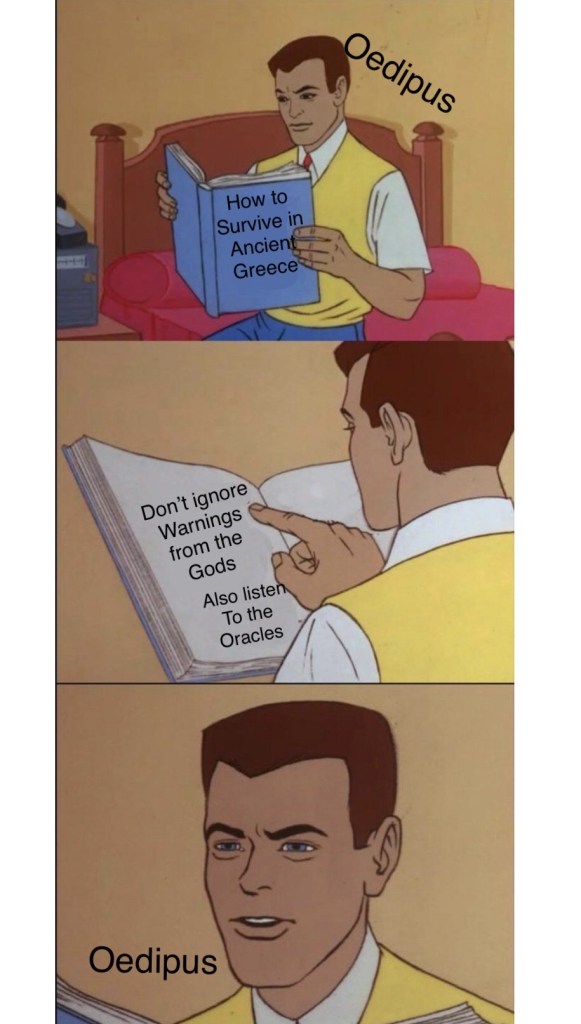
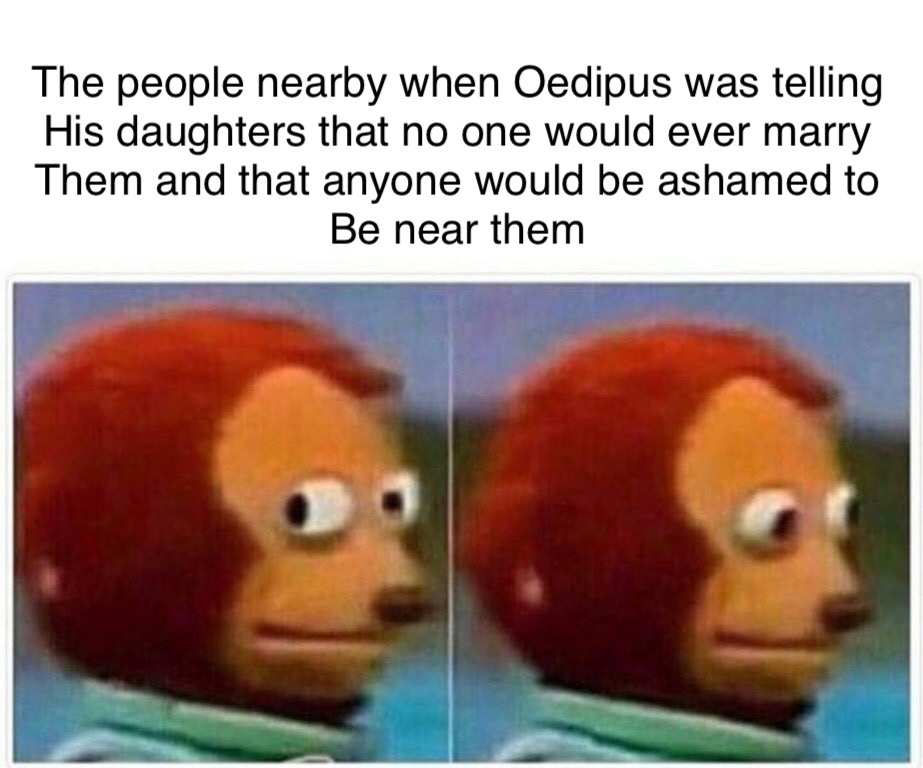
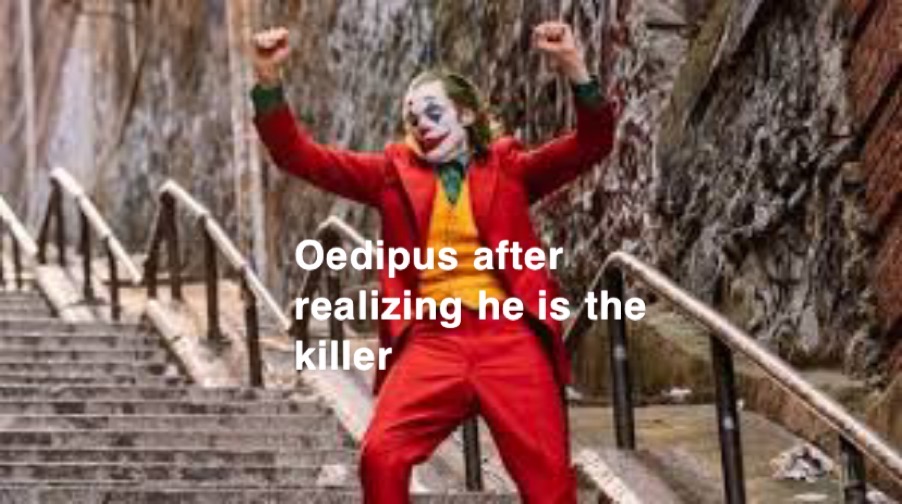
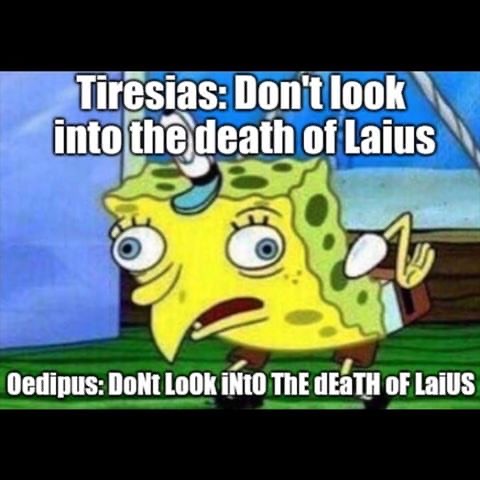
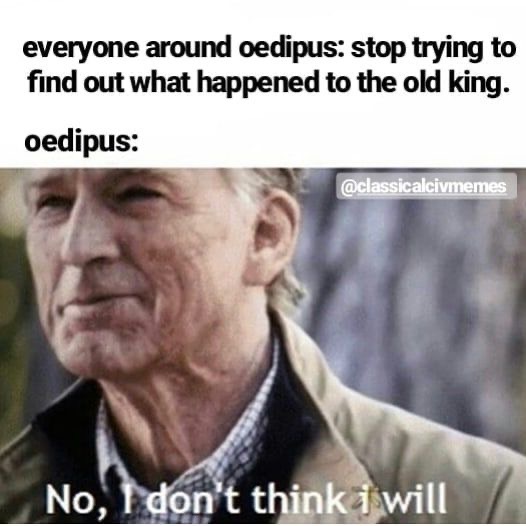
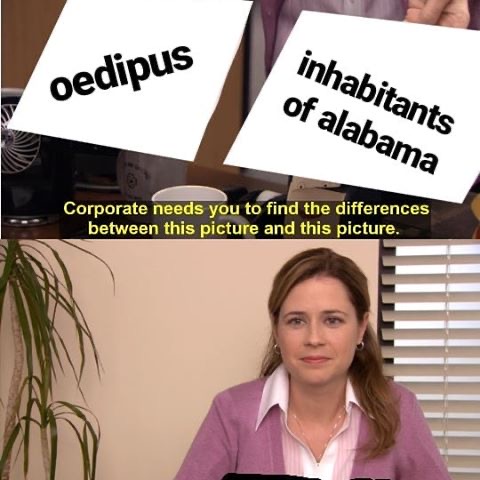
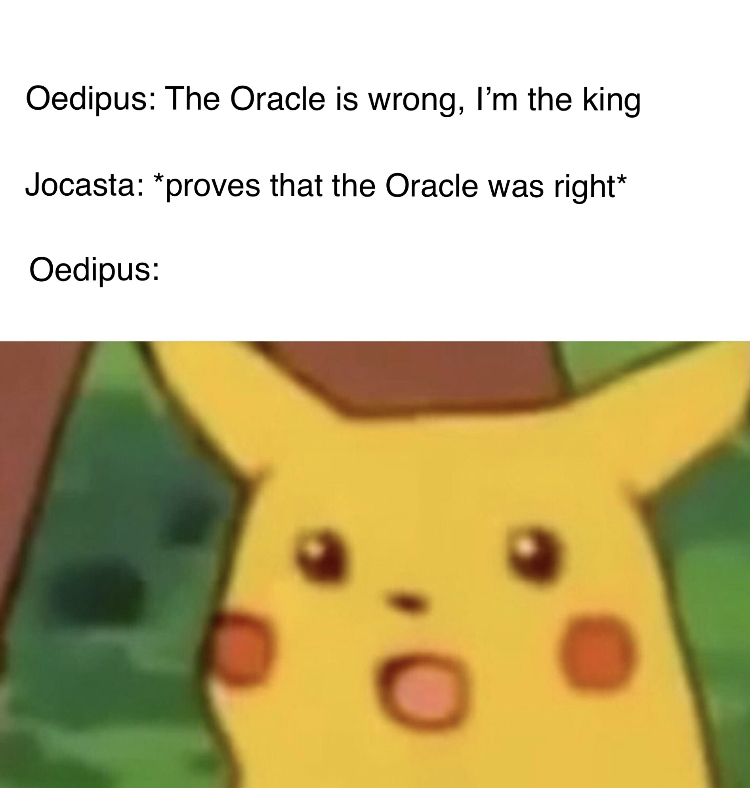
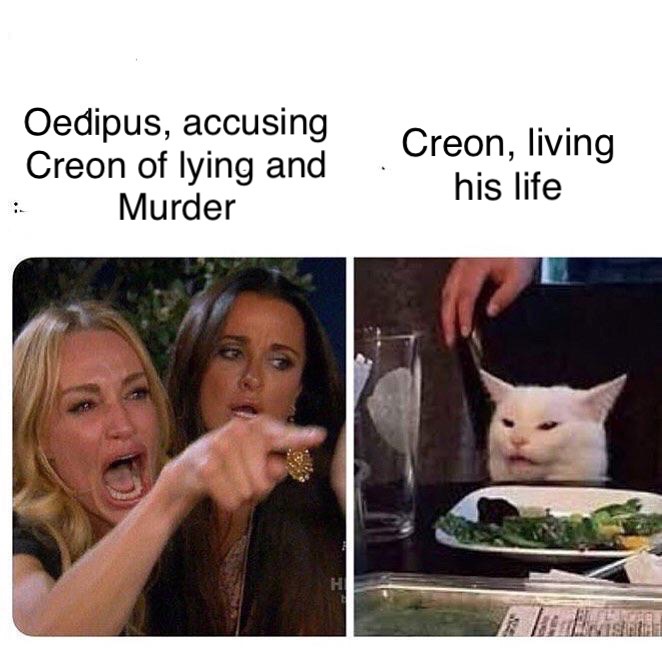
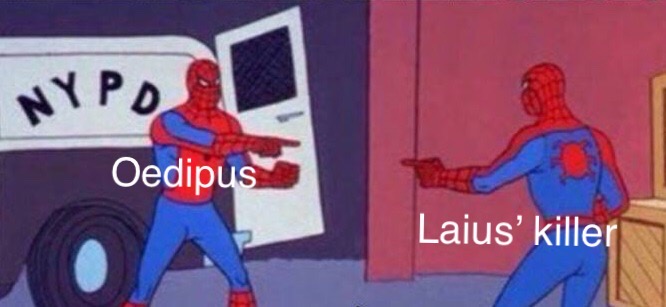
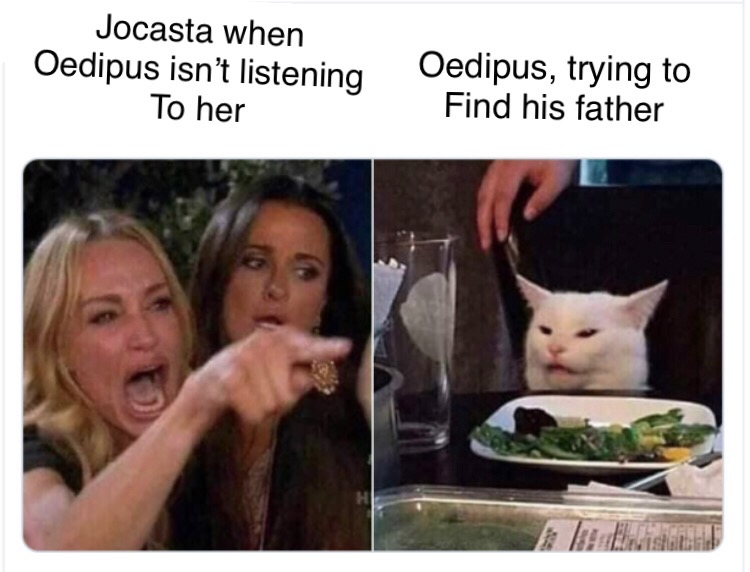
Also, my group and I created and found memes about Oedipus Rex to make reading it more entertaining, and some of them are pretty good so here they are:
Clutter!

(I decluttered my title)

Clutter is tolerable. Removing clutter is terrible. 

Clutter is like glitter; once you use it, you will never stop finding it. Clutter is everywhere. If you don’t pay attention to your writing, it ends up in every sentence and paragraph, haunting you until you die (or until you remove it.) I know that clutter is a plague when writing professionally and it needs to be eradicated, but getting rid of it is so difficult. Common clutter includes the words you, your,  this, that, those, so, very, of, for, infinitives, and much more.

Removing the clutter was bad, but reading the excerpt from “On Writing Well” was nice. I learned a lot from his writing, and I liked how he used clutter to write about not using clutter. He also included a lot of helpful advice not related to clutter, like how to write with your own voice and to write what you want. Zinsser’s writing was very easy to read, which was a plus.

Clutter affects society by dumbing down the writing. Instead of stating the truth, authors might add fluffy clutter around it to make it less real and intense. I am much more aware of clutter now than I was before. I wish I could go back to August where I had no knowledge of clutter so I wouldn’t feel so guilty writing ANYTHING that might contain clutter (like these blog posts). Ignorance is bliss. I haven’t actively gone out of my way to remove clutter from my assignments, but for future essays I will definitely keep an eye out for it.


About Me : )

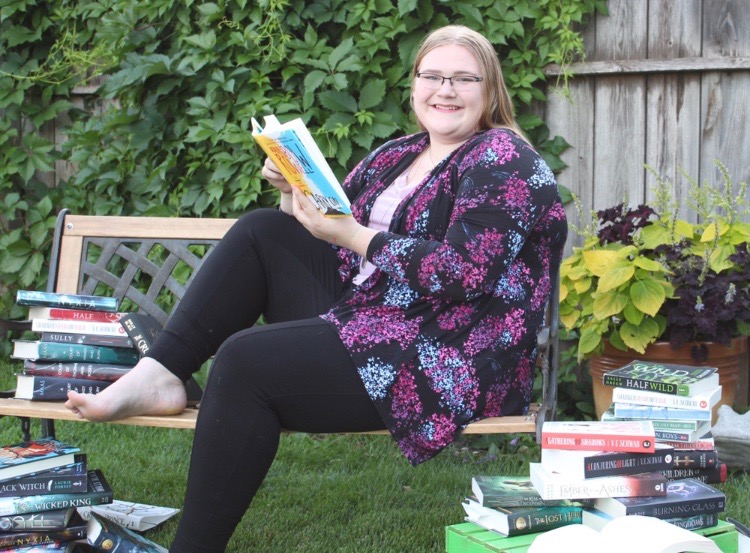
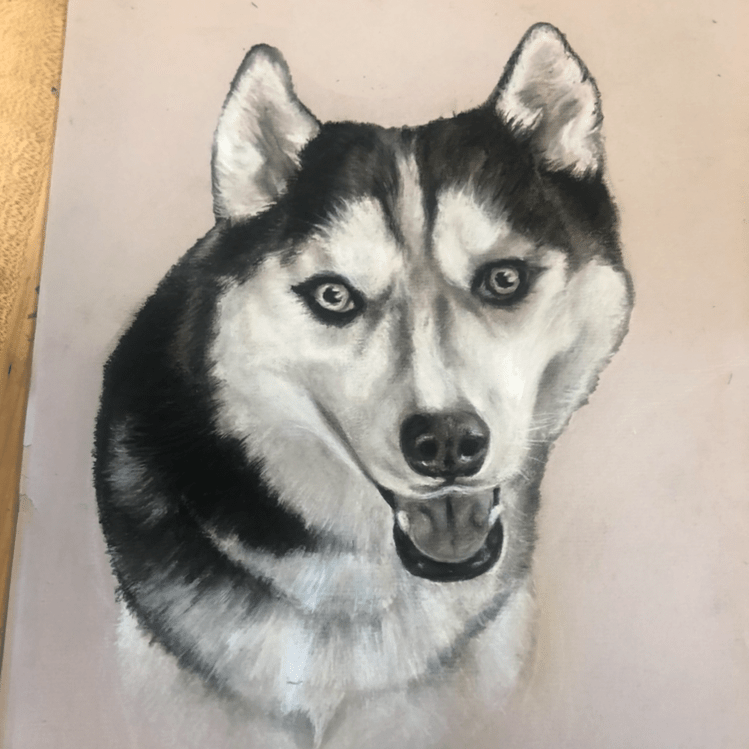
Me doing what I do best

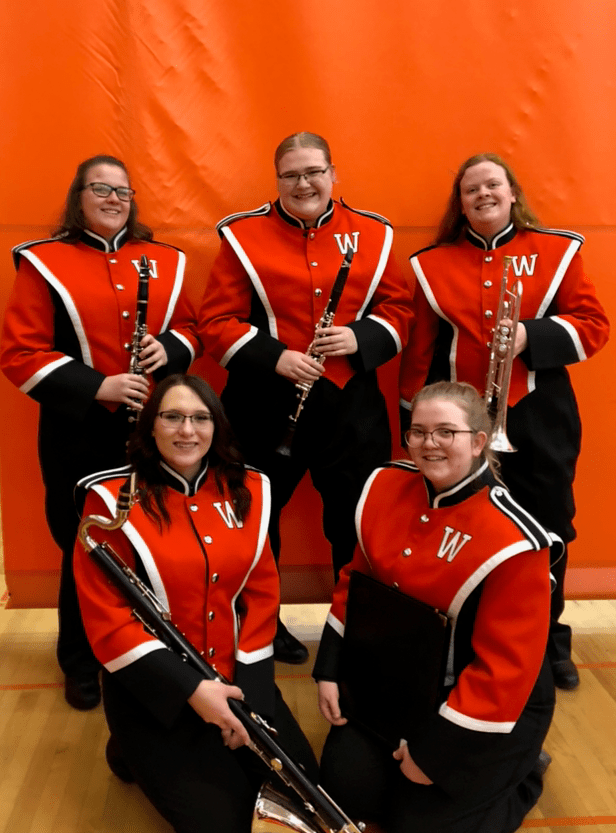
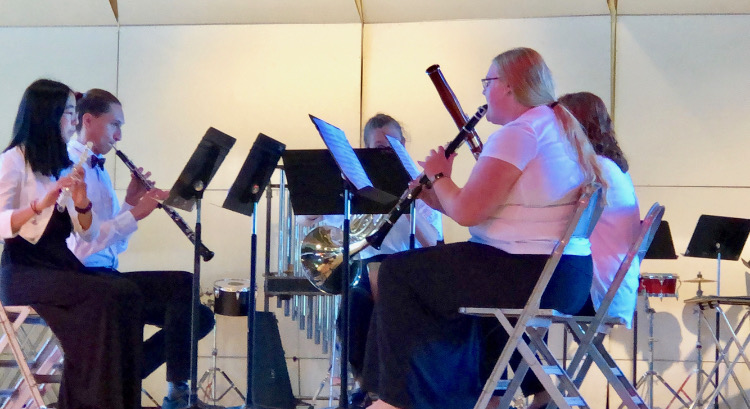
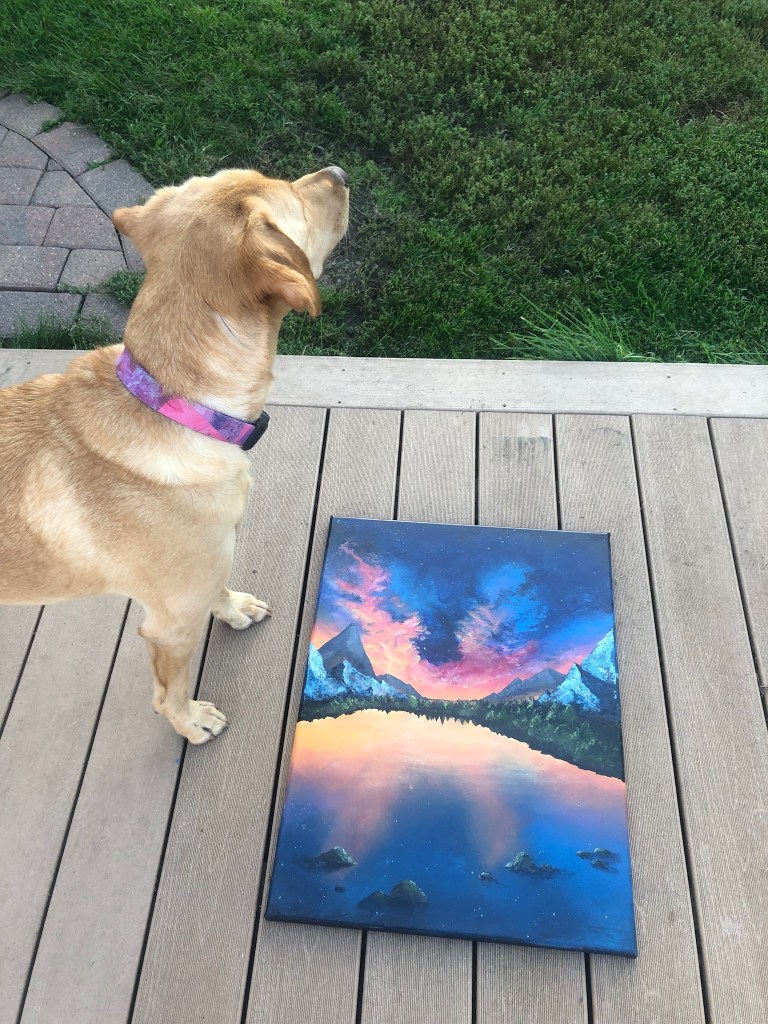
Hi, my name is Kaitlyn (I go by Katie) and I am a senior at WHS. My favorite colors are purple and red, my favorite season is fall, and my favorite sweet tea comes from Jimmy John’s. My strengths include ranting, reading books in one sitting, and parallel parking. My weaknesses include mosquito bites, potatoes, and special editions of books (my wallet hates me). I am an artist (I paint, draw, and make messes) and I play the clarinet. If I’m not drawing or playing my clarinet, I read. I have a lovely bookshelf filled with my young adult fantasy and contemporary books. 

I feel like a complete nerd admitting this, but I spend an unhealthy amount of time reading books, obsessing over them, crying over them, and ranting about them (usually to my friend Kathryn, who is a very supportive listener when I’m crying over cliffhangers). I’ve kept a book queue since 7th grade containing all of the books I have purchased and plan to read, with about 40 books on it. Despite the list, 80% of the time I reread my favorites (which is probably the reason I have 40 books in my to-be-read pile). I don’t read any literature, but I have a great time reading the YA books I have.

Moving on from the book nerd side of me, I am also a complete aviation geek. I used to be terrified of planes until I flew on the biggest commercial plane of them all. It was amazing and I thought it was the coolest thing ever. Since then, I’ve loved aviation. My friends now know an unhealthy amount of information about aviation, since I am constantly talking about planes. I’m currently interested in air traffic control as a future career, so I plan to study that at UND next fall. Commercial aviation and music education are also on my list of interests (which are two very different fields of study), so I’m still debating between the three majors. Both aviation and music are passions of mine, so I hope I can find a way to include both in my future. 

I don’t have many plans for this blog other than english assignments. I might review/rant about the books I read if I ever figure out how to use wordpress. Until then, this blog will probably include the bare minimum. 

Please ask permission and give credit when using my writing or photos


Summer Assignment :/

I’ll be happy to never do a summer assignment again

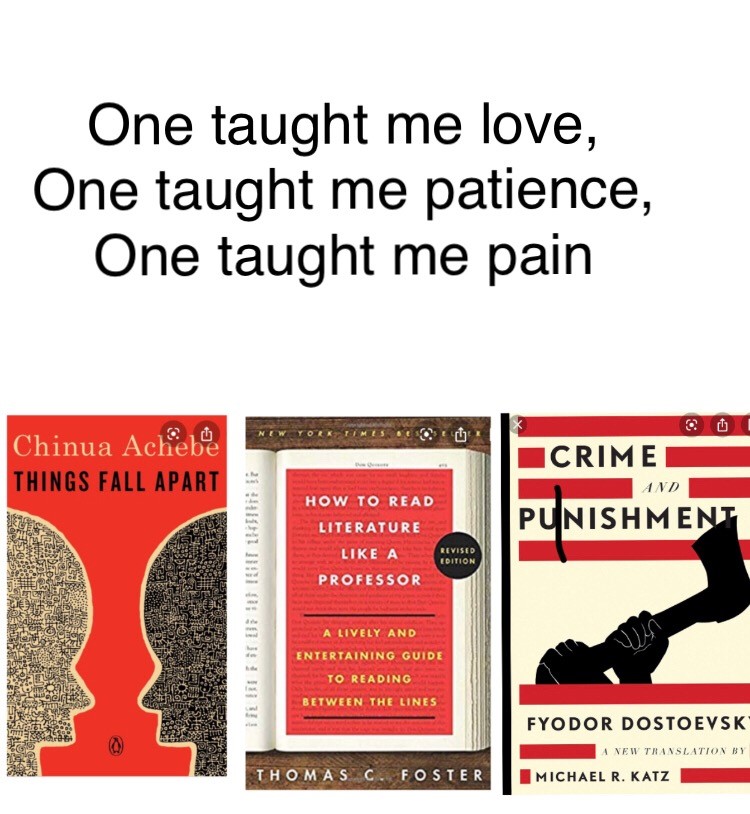
The best part about “How to Read Literature” was how easy it was to read. I could easily read my planned 3 chapters a day, and it didn’t physically wound me like “Crime and Punishment” did. It was a great time.
The worst part about “How to Read Literature” was all of the examples given in the text. I felt like some chapters were 50% examples and it bothered me. Although examples are there to show the main point, I felt like there were far too many examples all proving the same thing. I have never heard of any of the books he referenced (which I didn’t expect to) but with the sheer number of examples, it would have been nice to have a reference I understood (With the exception of the kid’s literature chapter).

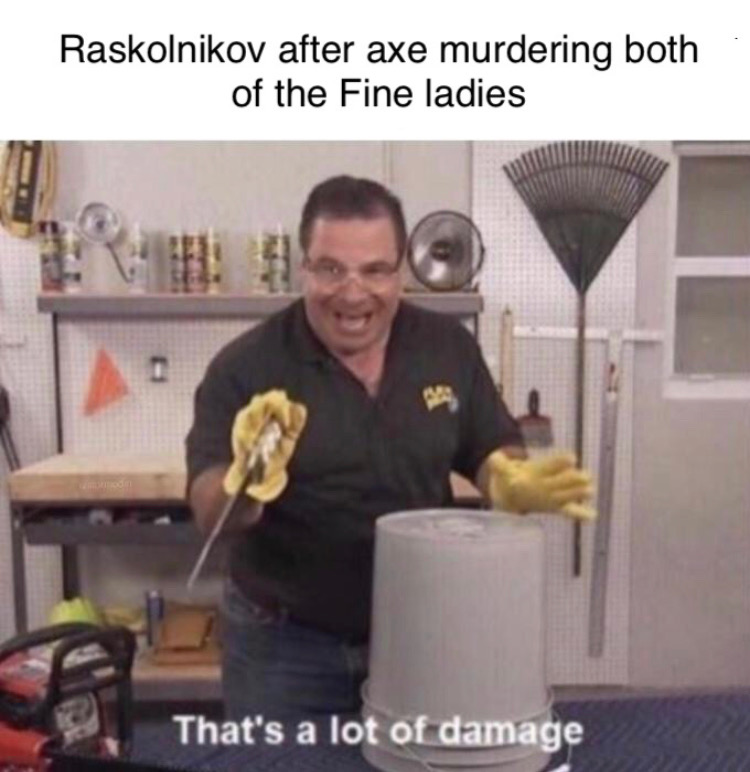
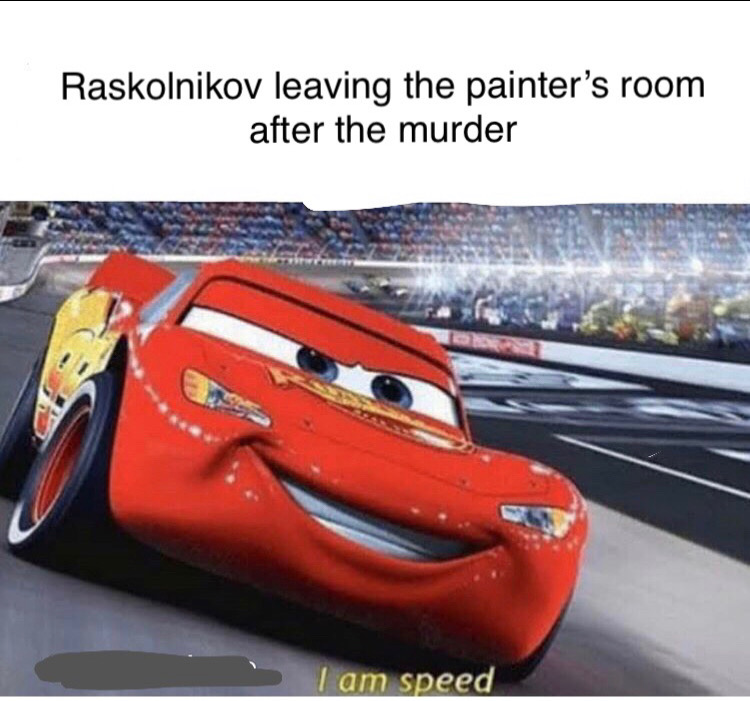
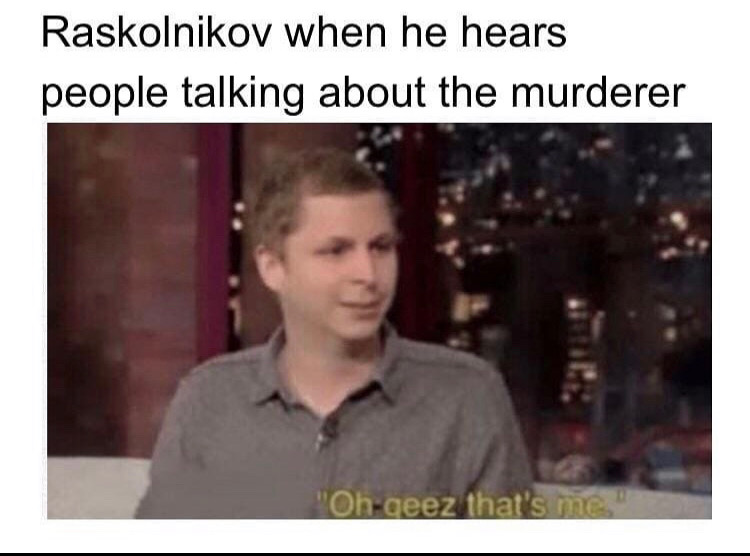
The best part about “Crime and Punishment” was how dumb Raskolnikov was. It was very amusing to me. He is probably a very intelligent fictional man, but after the crime happened he had the intelligence of a bag of rocks. I absolutely lost my marbles when he waltzed into the police station after murdering two women. What kind of self-respecting murderer does that. And then he passed out when he heard people talking about his crime. What a dumb guy! He thinks that he’s all that and a bag of chips but he’s dumb. I love it!
The worst part about “Crime and Punishment” was that it felt like my eyes were trying to swim through concrete. I like to think I’m a pretty strong reader, I spend most of my free time reading my lovely young adult books. Everything was golden in my Utopian book world. When it came to Crime and Punishment, all bets were off. It was truly humbling. The part I hated the most was how long and ramble-y some of the chapters were. JUST GET TO THE POINT RASKOLNIKOV, STOP SLEEPING AND WALKING AND DO SOMETHING!! I know that reading the book was hard, but I remember nothing. Somewhere online, I read that the human body can’t remember what pain feels like (I tried fact checking this but the results were dicey, so just hear me out.) I’m assuming since I can’t remember the process of reading the book, the emotional pain it caused was excruciating. Despite the pain, “Crime and Punishment” was a little bit helpful. It was like a near-death experience. Knowing that nothing will ever be as painful to read as “Crime and Punishment” has inspired me to read the “difficult” books that I’ve been putting off. I feel like I can run a marathon, but instead of running, its sitting in place reading hundreds of books. 


The google classroom assignment was alright, but writing the essay responses with 200 words each was difficult. Responding to other people’s answers with 200 Words was even worse. Despite this, I am very, very glad I didn’t have to write an essay or make a presentation about the books. It was a nice, fun summer assignment. I really liked the quizzes. The “How to Read Literature” book was incredibly helpful, and I’ve caught myself analyzing the fiction books I read for fun. Even if there’s nothing to analyze, I’m still trying to connect the dots. This is kind of a random point, but last year l went through one of my favorite books and marked all of the symbolism and foreshadowing and all of the fun analysis stuff, and I felt pretty darn good about it. I reread the book last week, and I caught SO much more that I skipped over the first time. Without “How to Read Literature” I wouldn’t have even noticed (This sounds like a sales pitch for the book, but I’m just really happy that I learned something from it.) So, long story short, I am glad you made us read it.

In conclusion, “Crime and Punishment” caused me pain, “How to Read Literature” was a blessing, and the summer assignment was alright. My pals and I made mediocre memes to help us remember what happened in the book, so here are some of the better memes. It had to be done.


Gettin’ that Cash

Scholarship Essay!!!!

I’d like to start by saying I’m very glad I got 100% on this assignment on the first try. I spent a lot of time editing and I’m happy that it paid off.  I wasn’t very confident with my rough draft, so I’m glad I cleaned it up enough to get a good grade.

The hardest part of writing the scholarship essay was eliminating the clutter. I highlighted the clutter, removed it, found more clutter, removed that, and repeated the process until most of the clutter was destroyed. It was a very time consuming process. Finding ways to rearrange sentences was difficult, and it was hard to remove clutter while keeping my voice alive in the writing. Maybe the point was to make the writing less personal, but I like having style in my writing. It was hard to make the writing flow in a style that wasn’t my own.  Another hard part of the essay was the anecdote. I thought of my anecdote quickly, but it was hard to make the anecdote detailed enough to be memorable but short enough to fit on my page. I felt like I kept going back and forth with too much detail and not enough detail. It was also a struggle to write my anecdote without writing a sob story. I had to keep going back and cutting out details to keep it authentic without the sadness. I’m happy with how the essay turned out, even though the clutter and the anecdote made the essay frustrating to write and edit.

In the future, I want to go to college and get my pilot’s license. I am debating between going to college for aviation or music. I’m really interested in commercial aviation and air traffic control, but music has been a big part of my life for a long time. I love them both, which makes it hard to decide what to do for college. In my essay, I didn’t mention either of those interests in depth (to eliminate clutter), but I might add them to my essay later to make it more personal. After finishing the scholarship essay, I feel very relieved and prepared. I’m so glad I have an essay that I can use for scholarships so I won’t have to do as much work later in the year. The preparation we did for the essay makes me feel like I have a good chance of receiving scholarship money, and I feel like I am a few steps ahead of other students.

Overall, editing the essay to make it perfect was hard, but I’m glad I have it on hand for when I need it. Here is a link to my essay:

https://docs.google.com/document/d/1kl6oV_qbkZZ2EpXBq-Eu_8DFufuAjophiCkL5oBTUqg/edit?usp=sharing

And here’s a link to the graphic organizer:

https://docs.google.com/document/d/1VM_XFzrv-SrP1A0jSFtHs_TTxvn5tFAzuF7yzv70cZw/edit?usp=sharing


Multiple Choice :/

Meh.

So I just want to say that this title is misleading; I really didn’t mind the multiple choice prep, but multiple choice in general is just :/

This unit taught me many test-taking tips that will help me on the AP exam. The part on poetry was the most helpful to me, since I’m terrible at analyzing poetry. The tip to read poetry in sentences makes a lot of sense, and using that technique to read the examples really helped me. I like that the book emphasized the importance of guessing and moving on. Usually I get caught up on a question and I just sit there and stare at the question until I can guess an answer. Now I know that I should just guess the answer and move on. My favorite strategies for the multiple choice questions were strategies 9 and 10, eliminate the extremes and partly wrong answers. Those two worked the best for me, and I feel like if I use those on the AP exam I will be set. A lot of the information in the book was just a review for me, but during the test last year, I forgot all of the test-taking strategies. Hopefully this year I’ll remember the tips after reading them again. 

I can’t think of any questions I have on the reading. Everything seemed pretty self-explanatory. I think the most important part of the reading was the part about time management. It’s important to plan a set amount of time for each passage. I try to do that with my tests, but usually I get through 2 passages on time and then I rush through the last 3. Hopefully during the AP Lit exam I can get past that and complete the multiple choice section without crying.

This will help me on the test by cementing the test-taking tips into my brain. I feel a lot better about the test now that I’ve read the test prep book and practiced questions in class. Many things on here I learned last year in AP Lang, but a lot of stuff was new to me (like how much the multiple choice score affects the total test score). I’m glad you made us read this, it was a good refresher of test-taking strategies, and I forgot a lot of them over the summer.


Design a site like this with WordPress.com
Get started